Seeking God Starts With Who He Is
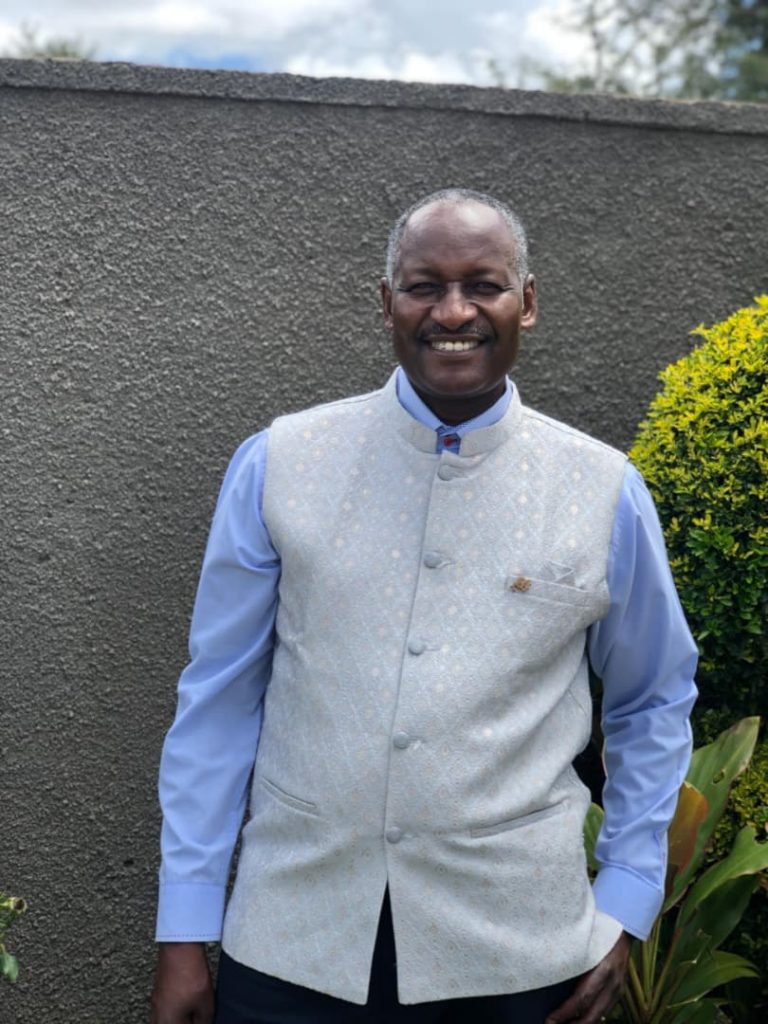
This sermon calls the church to fully embrace this season of seeking God—not as a theme, but as a spiritual necessity. Dr. Wedu Ndebele challenges everyone to examine their pursuit: “Are you seeking God?… How much are you seeking God?” He anchors the message in Psalm 24:1–6, reminding the church that seeking God begins with recognizing His sovereignty and ownership over all things: “The earth is the Lord’s and the fullness of it, the world and they that dwell in it.” (Psalm 24:1). Because God created everything and owns everything—including our lives—we must seek Him for purpose, direction, and the “full life” He ordained.
Dr. Wedu Ndebele warns that people often chase temporary things—status, people, resources—while neglecting the One who owns the very things they desire. He emphasizes that seeking God is not about religion; it is about returning to the Owner and Author of life, because “the secret things belong to God” and must be discovered in His presence.
Why We Must Seek God: Life, Eternity, and Divine Care
Dr. Wedu Ndebele gives strong reasons for seeking God, beginning with holy reverence. From Matthew 10:28, he says: “Do not be afraid of those who kill the body but cannot kill the soul… rather be afraid of Him who can destroy both body and soul…” (Matthew 10:28). His point is clear: many people fear human power more than God, but wisdom begins when we fear God above everything.
At the same time, the sermon emphasizes God’s personal care and value for His children. Dr. Wedu Ndebele quotes: “Even the very hairs of your head are all numbered… you are more value than many sparrows.” (Matthew 10:30–31). If God watches over birds and knows every detail of our lives, then seeking Him becomes the safest and most powerful response in every season—whether in peace or pressure.
Seeking God Requires Climbing, Cleansing, and Persistence
Using Psalm 24:3, the speaker asks: “Who shall ascend into the mountain of the Lord?” (Psalm 24:3). He explains that seeking God involves ascending—and that ascent requires decision and effort. He teaches that Christianity is not effortless; the narrow path demands discipline, sacrifice, and commitment. He illustrates this with examples of Moses, Elijah, Abraham, and Isaac, showing that the “climb” is often personal and sometimes requires spiritual “acclimatization”—staying in God’s presence long enough to adjust, hear Him clearly, and be prepared for the next level.
The sermon also stresses holiness as a requirement for standing in God’s presence: “He who has clean hands and a pure heart…” (Psalm 24:4). Clean hands refer to actions, and a pure heart refers to motives. Dr. Wedu Ndebele warns against “mixed living”—confessing faith while entertaining ungodliness through distractions, media, and modern idols. He urges believers to align confession, lifestyle, thinking, and entertainment with the Word of God. Yet he also offers hope through repentance and cleansing, quoting: “If we confess our sins, he is faithful and just to forgive us and to cleanse us from all unrighteousness.” (1 John 1:9).
A major emphasis is persistence. From Luke 11:9–10, the speaker quotes Jesus’ instruction: “Ask and keep on asking… Seek and keep on seeking… Knock and keep on knocking…” (Luke 11:9), and the promise that follows: “For everyone who asks and keeps asking receives…” (Luke 11:10). The message is that answers often come through continued pursuit—never quitting, never settling, and never assuming you have “done enough.”
The Reward of Seeking: Life, Favor, Protection, and Restoration
The sermon closes with the assurance that seeking God is never wasted—God rewards it. Dr. Wedu Ndebele quotes Matthew 6:33: “Seek ye first the kingdom of God and His righteousness and all these things shall be added to you.” He also reinforces that faith is essential, quoting Hebrews 11:6: “Whoever would draw near to God must believe that He exists and that He rewards those who seek Him.”
Seeking God, he teaches, is for our own good: to stop seeking Him is to harm ourselves. From Proverbs 8:34–36, he emphasizes: “Blessed is the one… watching daily at my gates… whoever finds me finds life…” (Proverbs 8:34–35), and warns: “He who fails to find me injures himself…” (Proverbs 8:36). God is life, and outside of Him is spiritual decline.
Finally, Dr. Wedu Ndebele encourages the church with God’s promise of presence in hardship and the blessing of longevity: “He shall call upon me and I will answer him. I will be with him in trouble… I will deliver him and honor him.” (Psalm 91:15) and “With long life I will satisfy him and show him my salvation.” (Psalm 91:16). The message ends with a clear charge: don’t injure yourself by neglecting God—seek Him wholeheartedly, because in His presence is life, protection, favor, and the fullness He ordained.
Reflection
This sermon invites every believer to pause and ask: What am I truly seeking—and what has been competing for my attention? God does not call us to a casual faith. He calls us to a committed pursuit—one that climbs, sacrifices, repents, and persists until we arrive where He is. Dr. Wedu Ndebele’s warning is loving but firm: neglecting God is not harmless; it is costly—“he who fails to find me injures himself.” (Proverbs 8:36)
As you reflect, consider these questions:
- Have I treated seeking God as a lifestyle—or only as a crisis response?
- Are my “hands” clean (actions), and is my “heart” pure (motives)? (Psalm 24:4)
- What patterns do I need to rebuild—consistent prayer, time in the Word, family altar, spiritual order?
- What distractions or idols need to be removed so my hunger for God can grow again?
Prayer: Lord, give me grace to seek You with my whole heart. Cleanse my hands and purify my motives. Help me to keep asking, keep seeking, and keep knocking until Your will is revealed and Your life is formed in me. Teach me to dwell in Your presence, and let Your favor, protection, and purpose be evident in my life—this season and beyond. Amen.